Checking Out the most recent Innovations in Pipeline Construction Providers for Modern Projects
The Pipeline Construction market is going through considerable adjustments. Developments such as smart materials and robotics are reshaping traditional practices. These developments guarantee to improve performance and security. Furthermore, AI innovations are enhancing project management capabilities. As these components assemble, they raise questions concerning their long-lasting impact on sustainability and cost. Recognizing these technologies is essential for stakeholders looking to browse this developing landscape. What effects do they hold for future jobs?
The Rise of Smart Materials in Pipeline Construction
As the need for much more sustainable and effective Pipeline systems enhances, the integration of wise products has actually become a transformative option in Pipeline Construction. These advanced products have one-of-a-kind buildings that improve the performance and longevity of pipelines. For instance, self-healing polymers can automatically repair small leakages, greatly lowering maintenance costs and downtime. Furthermore, materials installed with sensing units can check structural integrity and ecological problems, permitting real-time data collection and evaluation.
Smart materials are corrosion-resistant and usually lightweight, which not only streamlines installment yet additionally extends the lifespan of the systems. Their adaptability enables pipes to stand up to severe environmental conditions, advertising safety and reliability. As sectors progressively focus on sustainability, the usage of green wise materials adds to lowered ecological effect. Overall, the surge of clever products notes a significant shift in Pipeline Construction, paving the way for innovative options to fulfill contemporary infrastructure needs.
Developments in Robotics for Installation and Upkeep
The integration of smart products in Pipeline Construction is matched by developments in robotics, which are revolutionizing installation and upkeep processes. Robot modern technologies, such as automated welding systems and drones, enhance efficiency and precision, lowering human error and decreasing safety threats. These robotics can operate in difficult settings, making certain that setups are carried out in unsafe or remote areas without placing workers in danger.
Robot evaluation devices outfitted with sophisticated sensors supply real-time information on Pipeline stability, permitting for proactive maintenance. They can detect leaks or architectural weak points, enabling timely treatments that extend the lifespan of Pipeline systems. Making use of robotics not just accelerates the Construction timeline however likewise maximizes resource allotment, resulting in cost savings. As these technologies continue to progress, they are readied to play an essential duty fit the future of Pipeline Construction, making certain reliability and sustainability in infrastructure development.
AI-Driven Project Administration Equipment Transforming Workflow
AI-driven project management tools are improving operations in Pipeline Construction by enhancing decision-making processes via enhanced access to real-time information analytics. These devices allow teams to respond swiftly to project growths, consequently enhancing efficiency. Streamlined interaction channels foster collaboration amongst stakeholders, additionally optimizing project end results.
Improved Decision-Making Procedures
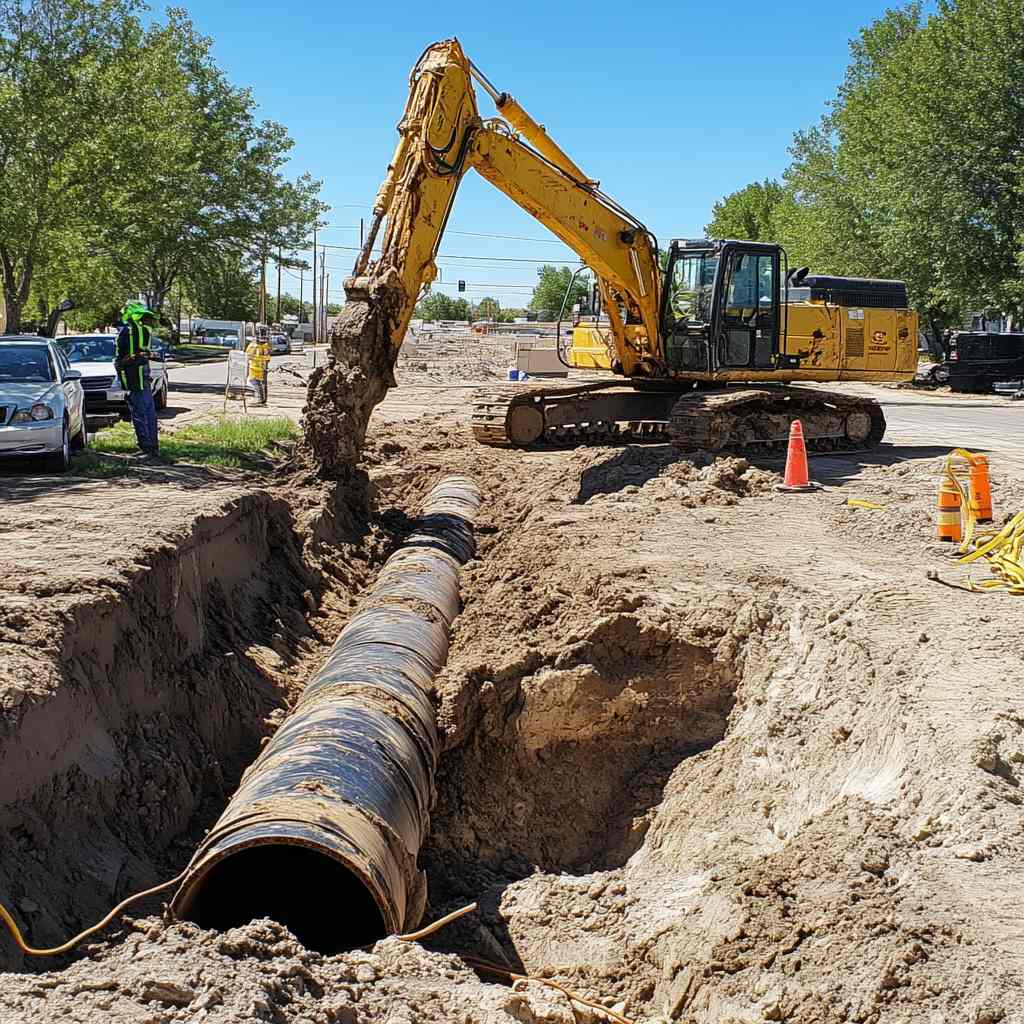
Real-Time Data Analytics
Using real-time data analytics, modern job monitoring devices reinvent workflow in Pipeline Construction. These advanced tools take advantage of synthetic knowledge to provide instant understandings into project performance, source allocation, and possible threats. By constantly keeping track of key efficiency signs, teams can promptly adjust to transforming problems, optimizing labor and materials usage. The integration of real-time data enables even more enlightened decision-making, reducing delays and decreasing expenses. On top of that, anticipating analytics can identify fads and forecast difficulties before they intensify, improving overall task performance. Therefore, Pipeline Construction firms that take on these AI-driven tools can improve project timelines and results, guaranteeing they continue to be affordable in a progressively complicated sector landscape. This innovation notes a considerable shift towards data-centric management methods.
Structured Interaction Channels
Effective communication is extremely important in Pipeline Construction, where countless stakeholders should team up flawlessly to assure job success. The introduction of AI-driven project management tools has revolutionized interaction channels within the market. These tools help with real-time info sharing, permitting teams to gain access to updates, share files, and track progress efficiently. By automating regular tasks and giving a centralized system for communication, these technologies get rid of misunderstandings and reduce hold-ups. Enhanced exposure into task timelines and source allotment fosters liability among employee. Furthermore, AI analytics can recognize prospective communication voids, ensuring positive problem-solving. Ultimately, structured interaction networks not only boost process yet additionally raise overall project performance, making it possible for Pipeline Construction companies to meet modern-day needs successfully.
Enhanced Security Protocols Via Modern Technology Assimilation
The integration of technology in Pipeline Construction has actually brought about enhanced security methods. Real-time monitoring systems, wearable safety devices, and automated risk assessments are now necessary parts in minimizing risks on work sites. These advancements not just boost worker safety and security but likewise improve compliance with market regulations.
Real-Time Surveillance Equipments
Exactly how can real-time tracking systems change Pipeline Construction security protocols? By integrating innovative technology, these systems offer continuous security of Construction tasks, making certain prompt detection of potential risks. Electronic cameras and sensors can keep an eye on environmental problems, tools performance, and labor force activities, supplying vital data in genuine time. This positive strategy permits task managers to recognize threats prior to they intensify, considerably boosting precaution on-site. Furthermore, real-time tracking promotes compliance with regulative requirements, guaranteeing that security requirements are met consistently. The capacity to assess data instantaneously supports educated decision-making, allowing timely interventions. Consequently, Pipeline Construction jobs can run more efficiently while securing the health of workers and decreasing crashes, thus changing the market's safety landscape.
Wearable Safety Devices
Regularly, wearable security tools are being integrated into Pipeline Construction to boost safety methods. These cutting-edge tools, consisting of wise helmets, vests, and wristbands, are designed to monitor worker health and environmental problems in real-time. Furnished with sensors, these devices can find risks such as toxic gas direct exposure, excessive warm, or high sound degrees, offering immediate notifies to supervisors and workers. In addition, wearable technology usually includes GPS tracking features, permitting reliable place surveillance of personnel on-site. This capability not only help in fast action throughout emergency situations yet also improves overall job monitoring. By focusing on worker safety and security through modern technology integration, Pipeline Construction firms are making considerable strides in reducing crashes and promoting a culture of security within the market.
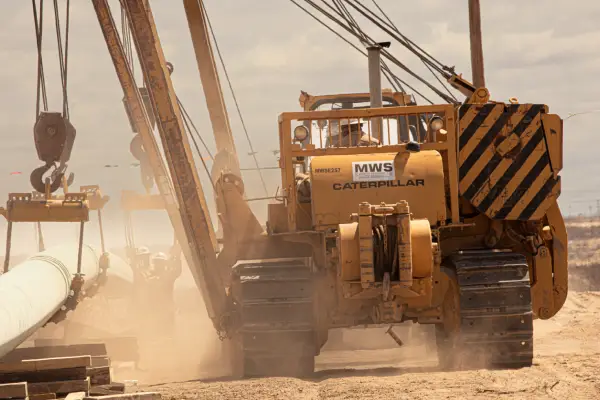
Automated Danger Assessments
While traditional risk evaluations typically rely on hands-on analyses, the assimilation of automated danger evaluation technologies is changing safety protocols in Pipeline Construction. These advanced systems take advantage of data analytics, artificial knowledge, and artificial intelligence to recognize possible hazards much more properly and effectively. By continuously keeping an eye on environmental conditions, equipment status, and worker actions, automated assessments give real-time understandings that enhance decision-making. This positive strategy minimizes the chance of accidents and enhances conformity with safety laws. Furthermore, automated danger evaluations can be updated promptly, guaranteeing that all stakeholders have accessibility to the current info. Therefore, Pipeline Construction projects gain from a more secure work environment, decreasing disturbances and promoting a society of security through innovation integration.
Sustainable Practices in Pipeline Construction
As the demand for power facilities increases, the Pipeline Construction market significantly prioritizes lasting methods that decrease environmental impact. Companies are taking on eco-friendly products and innovative Construction strategies to lower their carbon footprint. The use of trenchless innovation allows for Pipeline installment with marginal disruption to the surrounding environment, maintaining all-natural habitats and decreasing soil erosion.
Protecting Additionally, the execution of renewable resource sources, such as solar or wind, to power Construction tasks is gaining traction. This change not only lowers reliance on fossil fuels yet also improves the general sustainability his response of Pipeline jobs. In addition, web link efficient waste monitoring techniques, including reusing and recycling materials, are coming to be requirement in the sector.
Real-Time Tracking and Anticipating Upkeep Solutions
The shift in the direction of lasting practices in Pipeline Construction has paved the way for the assimilation of real-time tracking and anticipating upkeep services. These modern technologies leverage advanced sensing units and information analytics to continually evaluate Pipeline stability and operational efficiency. By gathering data in genuine time, drivers can find anomalies such as leaks or pressure decreases before they rise right into significant concerns. This positive approach not only reduces ecological threats however additionally lowers downtime and upkeep prices.
Predictive upkeep employs formulas to anticipate prospective failings based upon historic data and current efficiency metrics. This enables prompt treatments, enhancing upkeep timetables and source appropriation. On the whole, real-time monitoring and predictive upkeep options represent a considerable advancement in Pipeline Construction, boosting security and reliability while supporting sustainability goals. As industries proceed to accept these advancements, the operational landscape of Pipeline administration is set to progress considerably, making certain lasting feasibility and effectiveness.
The Function of Drones in Surveying and Examination
Drones have emerged as transformative tools in the evaluating and evaluation of pipes, providing enhanced performance and accuracy. Their capacity to capture high-resolution pictures and videos from numerous angles allows for thorough assessments of Pipeline honesty without risking human security. Equipped with sophisticated sensors and thermal imaging abilities, drones can find leaks, rust, and structural anomalies that might not show up to the nude eye.
Additionally, the release of drones significantly reduces evaluation time, allowing quicker decision-making for maintenance and fixings. This performance translates to set you back savings and minimal interruption to surrounding settings. Drones can also access hard-to-reach areas, such as elevated frameworks or sturdy surfaces, further broadening the range of assessments.
As the Pipeline market proceeds to welcome technical advancements, the integration of drones right into surveying and evaluation processes is expected to expand, establishing brand-new criteria for functional excellence and security in Pipeline Construction services.
Frequently Asked Questions
What Are the Costs Associated With Modern Pipeline Construction Innovations?
The prices connected with modern Pipeline Construction innovations typically consist of sophisticated materials, specialized labor, and innovative modern technology. These variables add to higher first financial investment, yet can lead to long-term savings through improved performance and reduced upkeep requirements.
Exactly How Do Regulatory Adjustments Effect Pipeline Construction Technologies?
Governing modifications significantly influence Pipeline Construction innovations by demanding the fostering of much safer, much more effective methods. Conformity requirements frequently drive advancement, causing developments in products, design, and Construction strategies that boost overall job sustainability and safety.
What Abilities Are Needed for Careers in Advanced Pipeline Construction?

Professions in sophisticated Pipeline Construction require proficiency in engineering principles, job management, safety and security methods, and environmental policies. Furthermore, abilities in innovation combination, team effort, and analytical are necessary for traversing the complexities of modern infrastructure tasks.
How Can Companies Guarantee Compliance With Environmental Criteria?
To assure conformity with ecological criteria, business ought to carry out extensive training programs, carry out regular audits, and embrace ideal techniques article in sustainability. Involving with stakeholders and keeping track of regulatory adjustments additionally reinforces their dedication to environmental stewardship.

What Are the Trick Difficulties Encountering Pipeline Construction Today?
The key challenges facing Pipeline Construction today consist of regulatory compliance, environmental issues, varying product costs, labor shortages, and the need for advanced technology assimilation (Pipeline Construction Services). These aspects make complex task timelines and overall effectiveness in the sector
As the need for a lot more lasting and effective Pipeline systems boosts, the combination of smart materials has actually emerged as a transformative solution in Pipeline Construction. AI-driven task administration devices are improving process in Pipeline Construction by enhancing decision-making procedures with better accessibility to real-time data analytics. While task administration in Pipeline Construction has generally relied on hand-operated procedures, the integration of advanced devices substantially improves decision-making capabilities. Using real-time information analytics, contemporary task administration tools revolutionize operations in Pipeline Construction. Occupations in advanced Pipeline Construction need know-how in engineering principles, task administration, safety and security methods, and ecological guidelines.